 Racing
MotoGP 2026: a record-breaking season and a big reset for 2027
BótharMoto Editorial · 23 October 2026 · 7 min read
As the 2026 MotoGP season heads into its final stretch, all eyes are on 2027, when a brand-new set of regulations arrives and the series moves from Dorna to Liberty Media. Fans, riders and teams are all asking the same question: what will these changes mean for the sport?
A Season for the Record Books
2026 has the makings of one of the greatest seasons the sport has ever seen. In a lot of ways, it echoes the peak hybrid-era F1 season of 2020, when lap records were being obliterated almost every weekend and aerodynamicists pushed the regulations to the limit with intricate bargeboards and wild wing elements. Then the cost cuts arrived in 2021 and the cars became more subdued.
MotoGP is following a similar path, and this year it has produced the fastest circuit motorcycles we've ever seen. Jorge Martin set an eye-watering top speed of 229mph on his Aprilia RS-GP during FP2 at Mugello, and a record six different lap records have fallen in a single season. Fans have been treated to the best two-wheeled machines money can build.
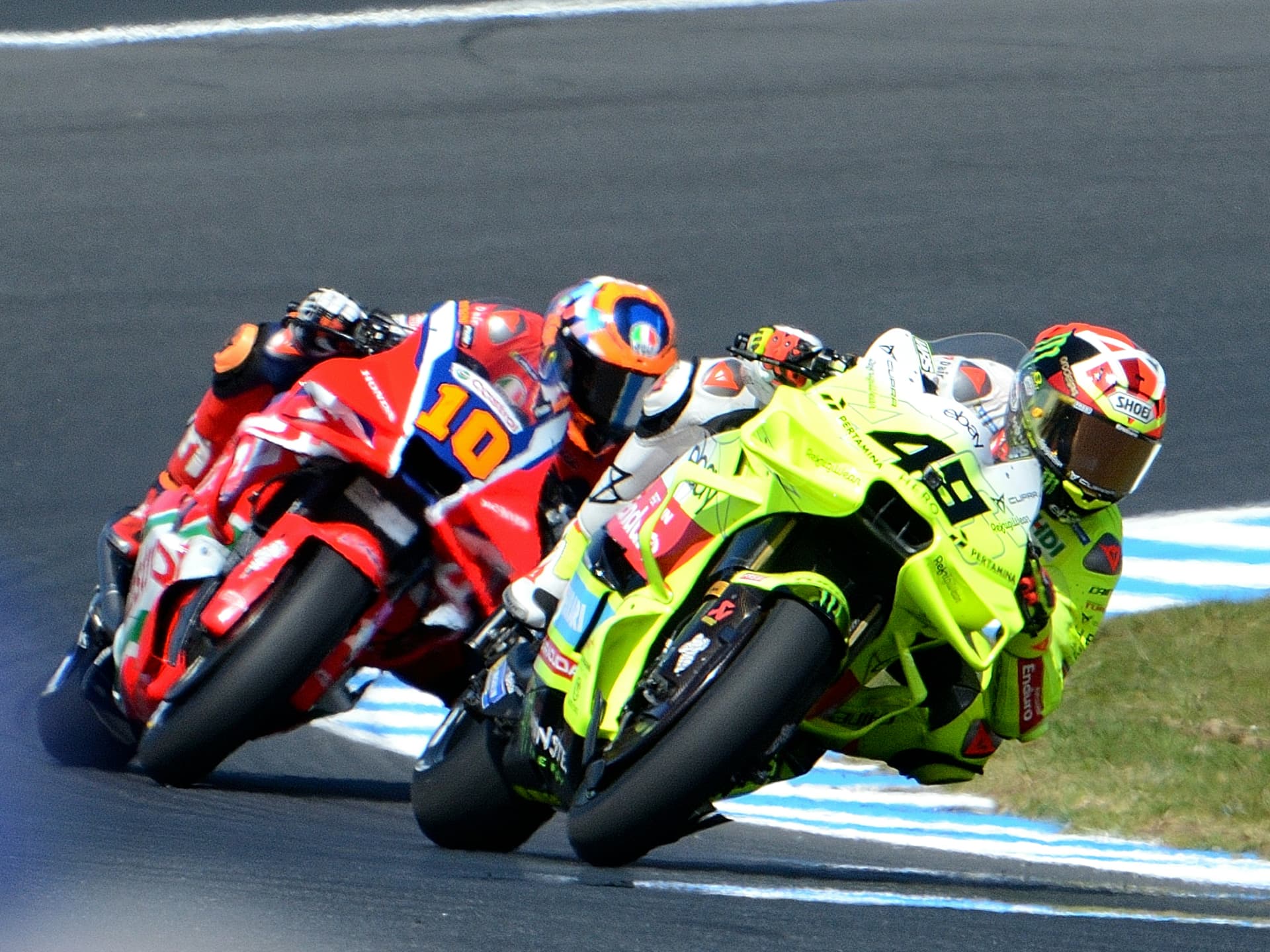
Active ride height devices and sophisticated aero systems have kept evolving, too. Aprilia has challenged Ducati's dominance with some innovative designs, including an F-duct aero package inspired by the 2010 McLaren MP4-25. It lets riders manually re-route airflow by blocking ports near the forearm when fully tucked in on the straights.
Ducati has responded mid-season with a drastic rework of its side fairings and an updated electronics package. Although some of these changes were not adopted by championship leader Marc Marquez, we can still see that the top teams are not only looking towards developing the 2027 bikes, but are still heavily invested in 2026 development, and we can expect to see more records being broken before the season closes.
What technical changes are coming in 2027 and why are they being brought in?
Engines and fuel. The biggest change is a drop in engine capacity from 1000cc to 850cc, along with a cut in maximum bore from 84mm to 75mm. The aim is to reduce top speeds and improve fuel efficiency. Fuel loads are shrinking too: race fuel capacity goes from 22 to 20 litres and sprint capacity from 12 to 11 litres. Since 2024, teams have had to run at least 40% non-fossil fuel, which is fuel derived from carbon capture, municipal waste or non-food biomass. In 2027, that goes up to 100%.
Cutting costs. Engine allocations per bike drop from seven to six per season, which should make the premier class a bit more feasible for smaller satellite teams. A GPS data sharing update will also give every team access to riders' GPS data, helping to close the gap between the front and the back of the grid.
Aero. The extreme aero packages we've grown used to are getting a shake-up. Front fairing width shrinks from 600mm to 550mm, and the nose moves back by 50mm to reduce turbulent air for bikes following behind and encourage closer racing. Teams will also only be allowed to update the rear seat fairing elements once per season, another nod to cost cutting.
Goodbye, ride height devices. Expensive ride height devices are on their way out. Yamaha and Honda leadership have been vocal about moving away from them, pointing to ballooning development costs as the top teams battle it out for the best electronics. Former champion Casey Stoner has also been a staunch critic. He argues the devices take away from a rider's throttle and body management and hand control to heavily automated systems, which numbs the sport and gives the teams with the best packages an unfair advantage.
This season has also shown the downsides. At the Dutch GP, Ai Ogura's ride height device refused to disengage, leaving him in the low position for half a lap. Pressure was already building on the MotoGP commission, and the ban on front-end holeshot devices was already set to take effect in 2027. After that incident, though, and with high-speed stability and first-corner safety concerns piling up, the commission moved the ban forward and applied it for the rest of this season.
Will It Work?
With this many changes, it's hard to predict how they'll shape the sport. But if the rumours from September's tests at the Red Bull Ring are anything to go by, we could be in for another special season. Unconfirmed reports say Diego Moreira set a new lap record at the circuit on a 2027 bike, which was a surprise, as those machines were expected to be slower than the 2026 bikes.
The jump in performance is being put down to the switch from Michelin to Pirelli as official tyre supplier, but that's all speculation. It could just as easily be that Honda has found a trick to unlock some extra pace.
All we know for sure is that these regulation changes will shake up the sport, and it's anyone's guess which teams will come out on top. The hope is that they improve competitiveness across the grid, bring closer racing and level the playing field for all manufacturers. That said, there's some apprehension too. Fans have seen it happen in F1, where sweeping rule changes slowed the cars down without necessarily improving the racing, and it's fair to wonder whether MotoGP could go the same way. Still, we can't help but be excited to see what this new era brings.